Are you craving a little more breathing room without leaving the Greater Baltimore area behind? If you live in or near 21155 and keep wondering what life might feel like with a bigger yard, quieter roads, or a more rural backdrop, Carroll County is a natural place to consider. The move can be rewarding, but it comes with real tradeoffs around commute, utilities, maintenance, and home style. Here’s what to weigh before you decide whether Carroll County fits the way you want to live.
Why Carroll County Feels Different
Carroll County stands out because it is simply less dense than much of the Baltimore area. The county’s 2025 population estimate is 176,677 across 447.63 square miles, or about 386.2 people per square mile. By comparison, Baltimore County is much denser at 1,428.1 people per square mile.
That lower-density feel is not accidental. Carroll County has preserved more than 80,067 acres of agricultural land since 1980, and county planning materials describe land preservation as central to the county’s identity. The county also notes that it includes 35 Rural Villages, each with its own history and character.
For you as a buyer, that means open space is often part of the landscape by design, not just a temporary gap between developments. In many parts of the county, the rural setting is meant to stay rural. That can be a big draw if you want a home that feels more private and less compressed.
What More Space Can Look Like
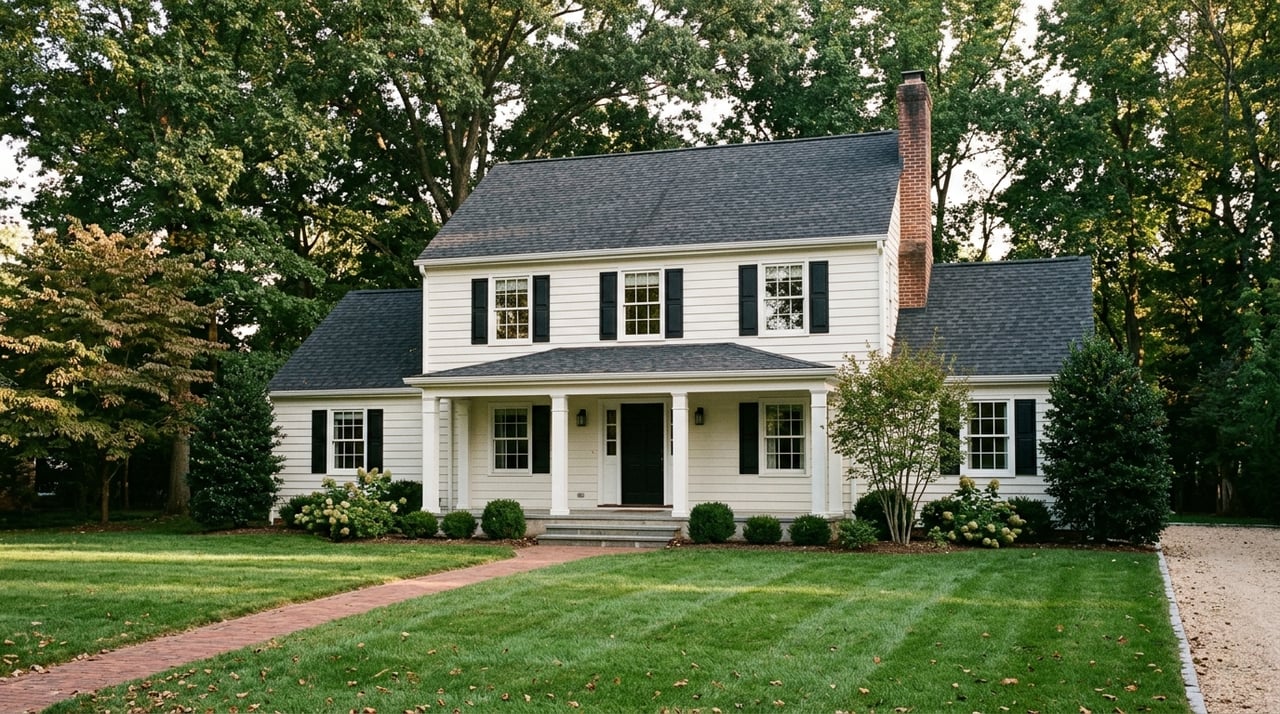
If you are coming from Reisterstown or another closer-in Baltimore County location, “more space” can mean a few different things in Carroll County. In some areas, it may mean a detached home on a noticeably larger lot. In others, it may mean acreage, longer driveways, and fewer nearby neighbors.
The zoning guide helps explain the range. In the R-40,000 district, the typical minimum dwelling lot is 40,000 square feet. In the R-20,000 district, the minimum is 20,000 square feet, and that area should be served by public water or sewer.
Outside growth areas, the picture changes more. In the agricultural district, existing parcels generally must be at least 20 acres to subdivide into lots, and the number of lots is limited in part because no water or sewer service is planned. In practical terms, the farther you move from growth areas, the more likely you are to find larger lots and detached homes.
Home Styles Vary Across the County
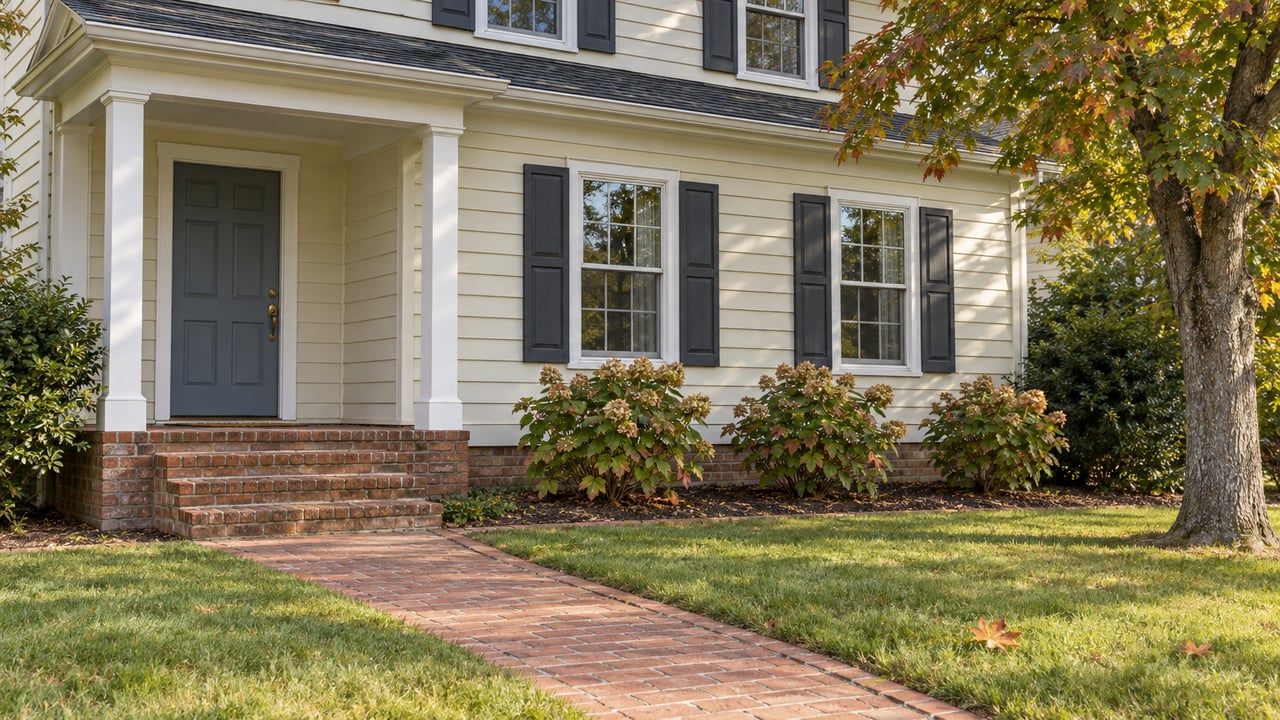
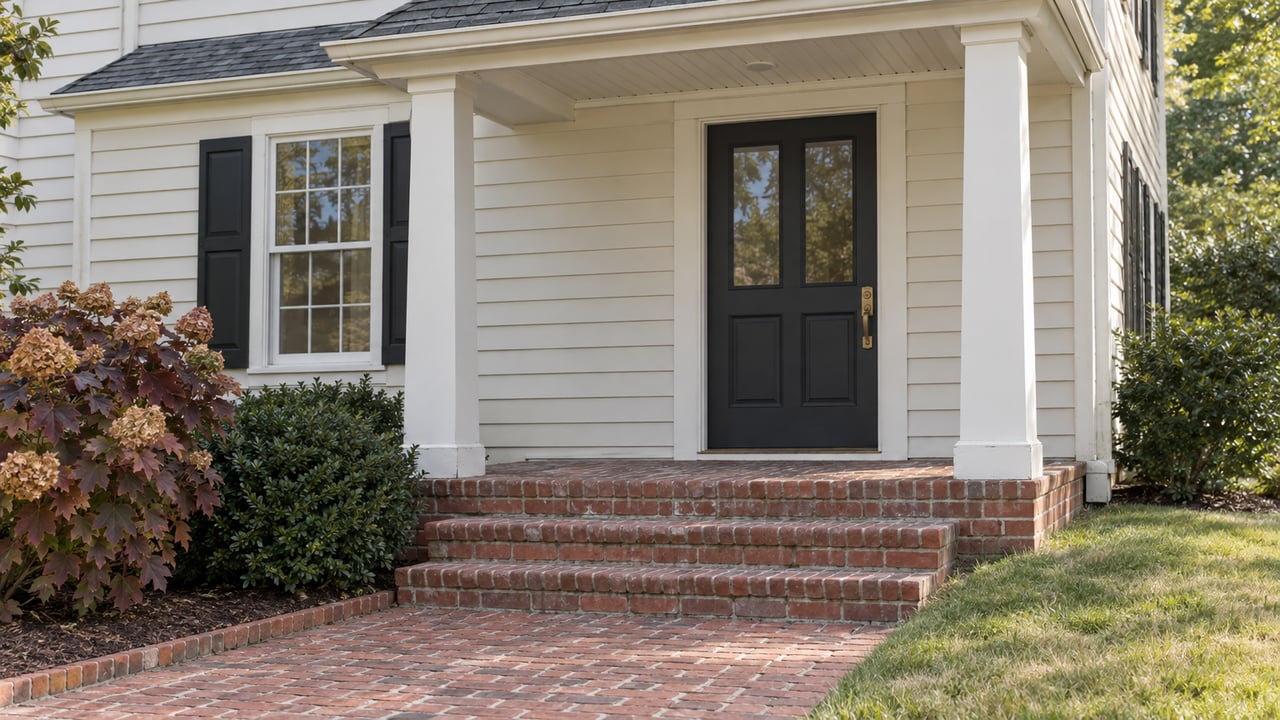
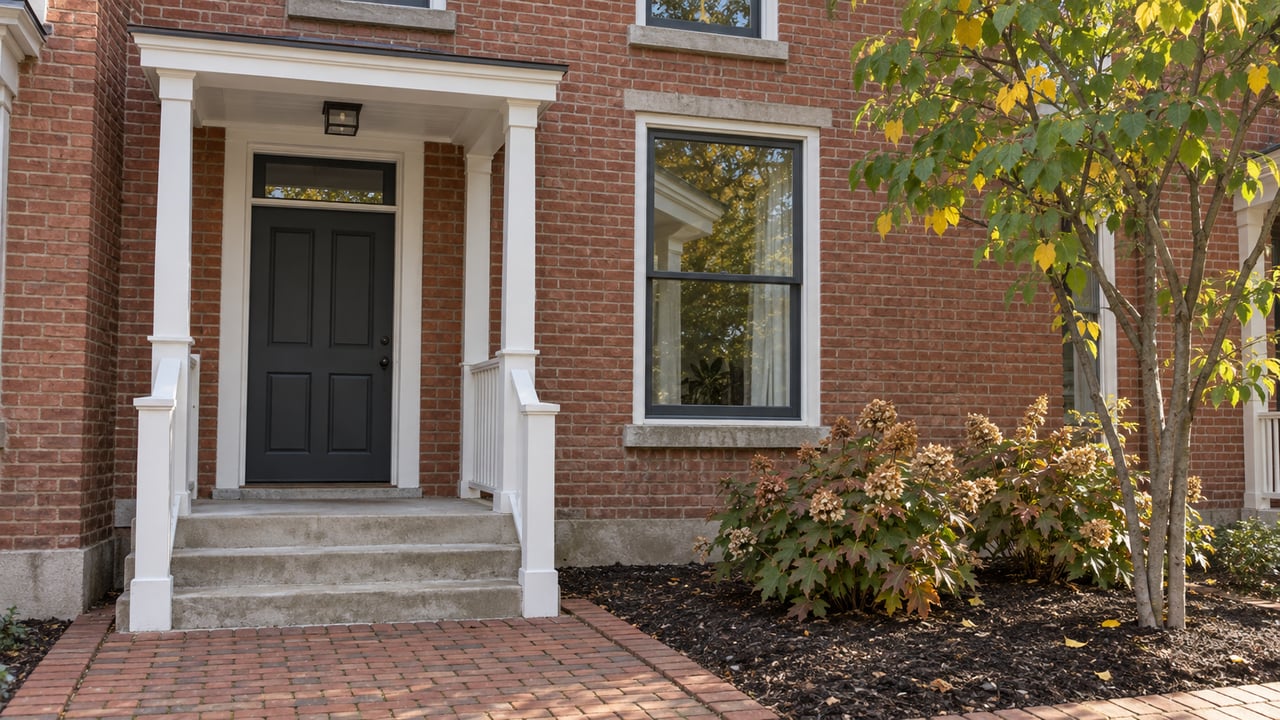
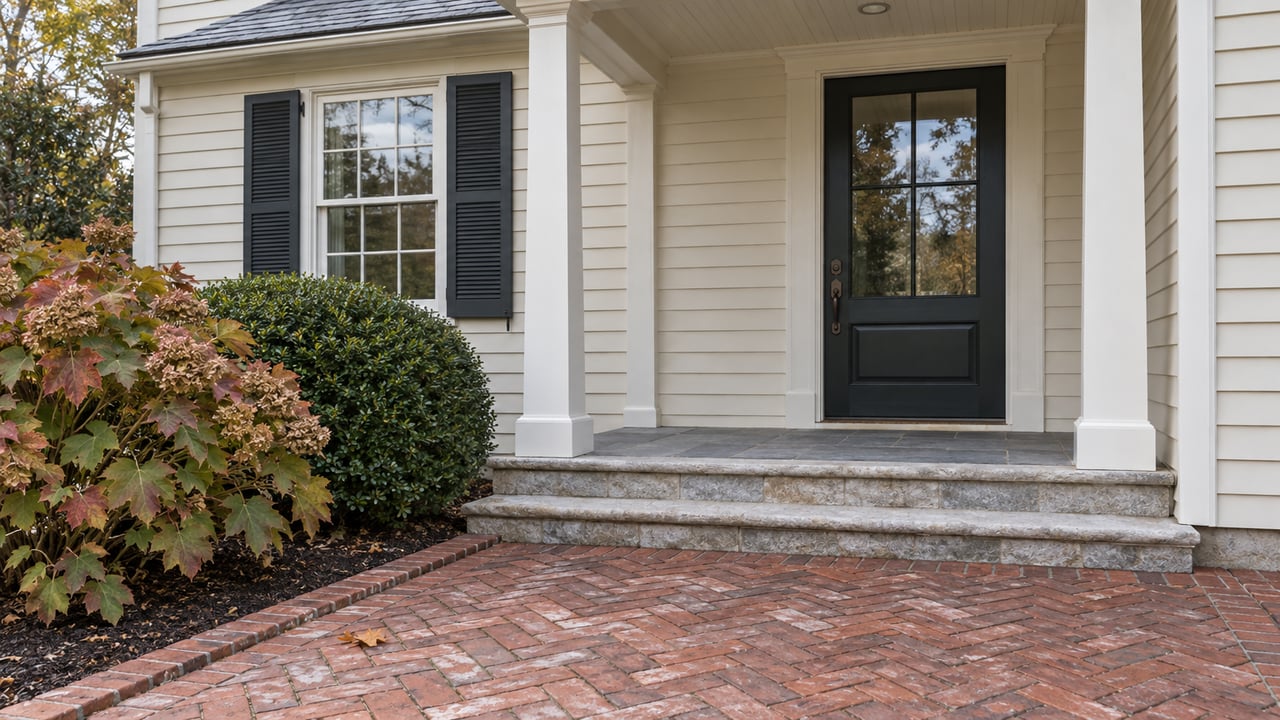
One of Carroll County’s strengths is that it is not a one-note housing market. You can find small-town settings, older village homes, farm-country vernacular architecture, and newer detached housing depending on where you look. That variety can be appealing if you want space but do not want every home to feel the same.
Historic districts in places like New Windsor, Linwood, Sykesville, and Uniontown show the range clearly. These areas include traditional vernacular houses, Pennsylvania farmhouse plans, bungalows, Foursquares, I-houses, Queen Anne homes, Colonial Revival homes, and rural Victorian forms. Some village homes sit close to the road, with open farmland surrounding the settlement.
That mix gives you options. You may be drawn to an older home with character in a historic village, or you may prefer a more contemporary detached home in a lower-density residential area. Either way, it helps to know that Carroll County offers both style and setting variety.
Rural Living Comes With Different Utilities
For many buyers, the biggest adjustment is not the house itself. It is the infrastructure that comes with the property. County-operated water and wastewater systems are concentrated in certain towns and service areas, including places such as Freedom District, Bark Hill, Pleasant Valley, and Hampstead.
In agricultural, resource-conservation, and very low-density areas, no public water or sewer is planned. If you buy in one of those areas, a private well or septic system may be part of daily life. That is a very different experience from living in a more built-out suburban area.
This does not make rural property harder to own, but it does make ownership more hands-on. The Maryland Department of the Environment advises regular well maintenance, and Carroll County’s health department handles onsite septic permits and well and septic questions. If you are used to city or close-in suburban utilities, this is one of the most important differences to understand before you buy.
Farm Country Is Still Working Farm Country
Open views can be a major reason buyers look to Carroll County, but it is important to understand what those views may come with. Much of the county is part of an active agricultural landscape, not just preserved scenery. The farmland preservation program and county planning policies support that long-term reality.
Carroll County also has a right-to-farm code meant to reduce nuisance claims tied to normal agricultural impacts. That can include odor, dust, noise, and similar conditions associated with farm operations. If you love the idea of countryside living, it is wise to make sure you are comfortable with the day-to-day realities of being near working land.
The Commute Is Part of the Tradeoff
A slower pace often comes with more time on the road. Carroll County’s mean travel time to work is 34.4 minutes. That compares with 28.0 minutes in Baltimore County, 29.1 minutes in Baltimore City, and 29.9 minutes in the Reisterstown CDP.
That does not mean every commute will feel dramatically longer, but it does show the broader pattern. If you move from a closer-in location to Carroll County, you should expect commute time to be one of the clearest tradeoffs. For many buyers, the extra space is worth it. For others, the daily drive can become a sticking point.
Transit options also reflect the county’s lower-density layout. Carroll Transit System’s Trailblazer service connects in Westminster, and demand-response rides require reservations. The main operating window is 7 a.m. to 5 p.m., Monday through Friday, which is helpful for some local needs but not the same as a denser all-day transit environment.
Is Carroll County Actually Cheaper?
This is where assumptions can get people into trouble. Carroll County’s tax rates are somewhat lower than Baltimore County’s and much lower than Baltimore City’s. For FY2025, the county real property tax rate is $1.018 per $100 of assessed value, compared with $1.10 in Baltimore County and $2.248 in Baltimore City.
Carroll County’s local income tax rate is also lower at 3.03%, compared with 3.20% in both Baltimore County and Baltimore City. That can sound appealing at first glance. But lower tax rates do not automatically mean lower housing costs.
Carroll County’s median value of owner-occupied housing is $434,000. That is above Baltimore County’s $349,300 and Baltimore City’s $229,600. So if you are considering a move for value, the better question is not whether Carroll is cheaper. The better question is whether the combination of land, house type, privacy, and pace is worth the price and upkeep for you.
Questions to Ask Before You Move
Before you start touring homes, it helps to get clear on what matters most in your daily life. More space can be wonderful, but only if the full package fits your routine and expectations. A thoughtful plan can save you time and narrow your search quickly.
Ask yourself:
- Do you want a larger lot, or do you want actual acreage?
- Are you comfortable maintaining a well or septic system if needed?
- How much commute time are you willing to add each week?
- Do you want a historic home with character, or a newer detached home?
- Are you comfortable living near active farmland and normal farm impacts?
- Is your budget aligned with current home values in Carroll County?
These questions help turn a broad idea into a practical home search. They also make it easier to compare Carroll County with closer-in options around Baltimore County.
How to Decide if Carroll County Fits
Carroll County can be a strong match if you want more land, more separation between homes, and a setting shaped by open-space preservation and rural planning. It can also appeal if you enjoy detached homes, historic architecture, or the feel of small towns and rural villages. For many buyers, that lifestyle shift is exactly the point.
At the same time, it is not a simple “more for less” move. You may trade convenience for quiet, shorter drives for larger lots, and public utilities for more property responsibility. The best move is the one that fits how you actually live, not just what looks appealing in a listing photo.
If you are comparing Carroll County with Reisterstown, Baltimore County, or other Greater Baltimore options, a local perspective can make the choice much clearer. Linda Fredeking can help you weigh the tradeoffs, narrow the right areas, and find a home that fits both your lifestyle and your long-term goals.
FAQs
Is Carroll County a good option for buyers leaving 21155?
- Carroll County can appeal to buyers from 21155 who want more land, more privacy, and a less dense setting, but it often comes with longer average commute times and different utility setups.
Will a Carroll County home likely have well and septic?
- In rural, agricultural, resource-conservation, and very low-density areas, public water and sewer are not planned, so private well and septic systems are a common possibility.
Are Carroll County homes always less expensive than Baltimore County homes?
- Not necessarily. Carroll County has somewhat lower tax rates, but its median value of owner-occupied housing is higher than Baltimore County’s.
What kinds of home styles are common in Carroll County?
- Carroll County includes a mix of detached homes, historic village houses, vernacular farmhouses, bungalows, Foursquares, I-houses, and other older architectural styles depending on the area.
Is the Carroll County commute usually longer?
- On average, yes. Carroll County’s mean travel time to work is 34.4 minutes, which is longer than the averages reported for Baltimore County, Baltimore City, and Reisterstown.
What should buyers know about living near farms in Carroll County?
- Buyers should expect that parts of Carroll County are active agricultural areas, and normal farm impacts can include odor, dust, noise, and similar conditions.