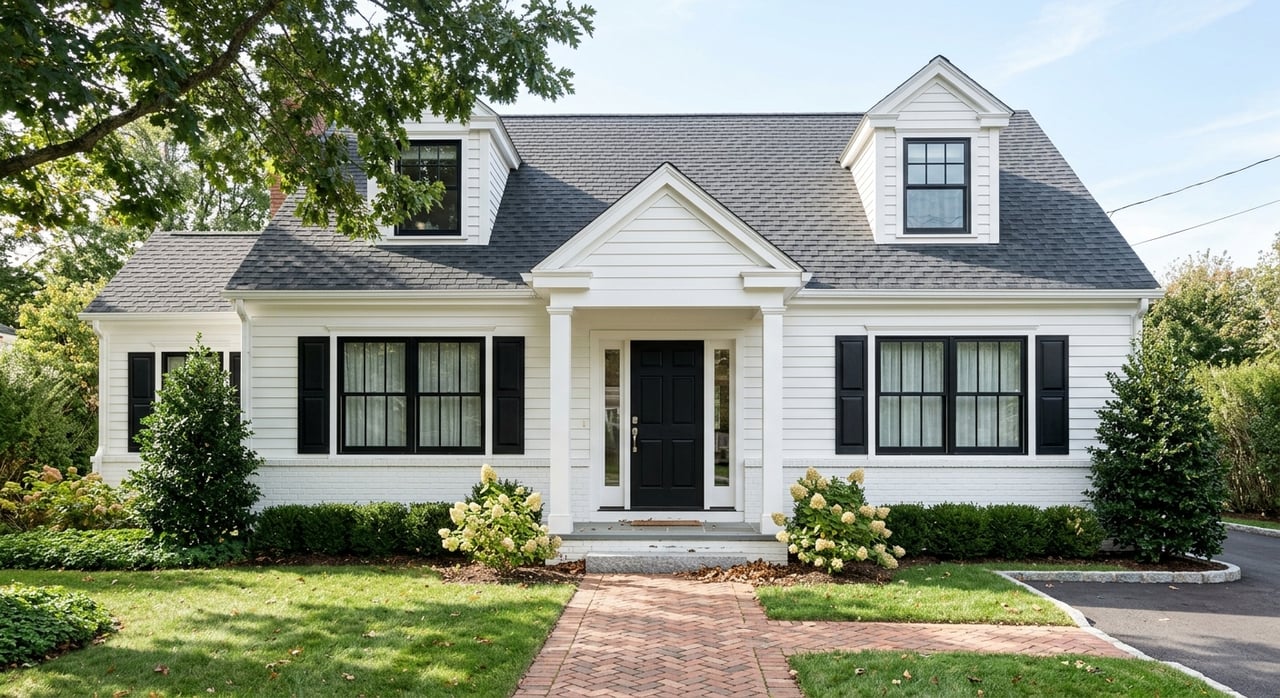
Choosing between Baltimore City and the suburbs is not just about price. It is about how you want to live every day, how much home maintenance you want to take on, and what kind of space feels right for your next chapter. If you are weighing a city rowhome against a detached suburban home, this guide will help you compare the tradeoffs clearly and confidently. Let’s dive in.
Start With Your Daily Life
The best place to begin is with your routine. Two homes can look great on paper, but your day-to-day experience may feel very different depending on where you live.
In Baltimore City, many buyers are drawn to the convenience of being closer to restaurants, waterfront areas, attractions, and transit options. In the surrounding counties, the appeal often shifts toward more detached homes, more parking, and more private outdoor space. Neither option is better across the board. The right choice depends on what matters most to you.
Compare the Homes You Are Likely to Find
Housing stock is one of the biggest differences between Baltimore City and nearby suburbs. In the city, 50.4% of housing units are attached, while only 14.7% are detached. The city also has an older housing base, with 41.5% of homes built before 1940.
That often means you will see more rowhomes, smaller lots, and more shared-wall living in Baltimore City. You may also find more historic character and less yard to maintain. At the same time, older homes can come with more repair planning over time.
Baltimore County offers a more mixed housing landscape, but it leans much more toward detached homes than the city. About 47.2% of its housing is detached and 23.7% is attached. Many homes there were built in the 1950s through 1970s, so you may still find established neighborhoods with more traditional suburban layouts.
If you look farther out, the suburban pattern becomes even clearer. Anne Arundel County is 59.5% detached homes, Howard County is 50.1% detached, and Harford County is 60.1% detached. In practical terms, those areas are more likely to offer larger homes, more yard space, and more driveway or garage potential.
Think About Maintenance and Upkeep
The type and age of a home affects more than appearance. It also shapes your ongoing responsibilities as an owner.
In Baltimore City, older rowhomes and attached homes may mean less lawn care and less exterior space to manage. But because the housing stock is older, buyers should be ready to budget for items such as roofs, masonry, plumbing, electrical updates, windows, and moisture control.
In the counties, newer and more detached homes often bring a different maintenance profile. You may get more predictable home systems and more private outdoor space, but you are also more likely to take on lawn care, exterior upkeep, and larger property maintenance tasks. If you enjoy having room to spread out, that may be a welcome trade. If not, it may feel like more work than you want.
Look Beyond Commute Time
Many buyers assume the city-versus-suburbs decision comes down to commute length. In the Baltimore region, that is not always the case.
Average commute times are fairly close across the area. Baltimore City averages 29.1 minutes, Baltimore County 28.0 minutes, Howard County 28.5 minutes, Anne Arundel County 28.9 minutes, and Harford County 32.1 minutes. That means commute time alone usually will not make the decision for you.
The bigger difference is how you get around. In Baltimore City, 26.7% of occupied households have no vehicle available. In Baltimore County, that figure is 7.8%, and it is even lower in Anne Arundel, Howard, and Harford counties.
That tells you something important about lifestyle. Baltimore City is better suited to buyers who want the option of a car-light lifestyle. The counties are usually a stronger fit if you expect to drive more often and want easier parking or regular garage and driveway use.
Consider Transit Access
Baltimore City has the region’s densest transit network. Maryland’s transit system includes bus service, Light RailLink, Metro SubwayLink, and MARC rail access.
Light RailLink runs from BWI and Glen Burnie through downtown to Hunt Valley. Metro SubwayLink runs from Owings Mills to Johns Hopkins. MARC’s Camden and Penn lines connect Baltimore to Washington and to suburban stations such as BWI, Odenton, Edgewood, Aberdeen, and Perryville.
For some buyers, that flexibility is a major advantage. If you value having more than one way to get to work, appointments, or regional destinations, city living may support that better. If you are comfortable relying on a car for most errands and activities, the suburbs may feel more natural.
Compare Price to Carrying Cost
This is where many buyers need to pause. A lower purchase price does not always mean lower monthly ownership cost.
Median owner-occupied home values in 2020 through 2024 were $229,600 in Baltimore City, $349,300 in Baltimore County, $467,900 in Anne Arundel County, $597,900 in Howard County, and $386,400 in Harford County. On the front end, Baltimore City usually offers the lowest entry price of the group.
But property taxes tell a different story. Baltimore City’s FY2026 real property tax rate is $2.248 per $100 of assessed value. By comparison, Baltimore County’s rate is $1.10 per $100, Howard County’s county tax is $1.044 per $100 plus other charges, Anne Arundel County’s county rate is $0.977 per $100, and Harford County’s FY2026 direct real property tax rate is $0.9779 per $100.
That means a city home with a lower purchase price may not automatically be the lower-cost choice over time. When you compare options, it helps to evaluate the full carrying cost, including taxes and likely maintenance, instead of focusing only on the sale price.
Match Lifestyle to Location
Your ideal home is also about what surrounds it. Baltimore City and the suburbs offer different rhythms.
One of Baltimore City’s strongest advantages is density. The Inner Harbor brings together waterfront access, restaurants, and attractions such as the National Aquarium, Maryland Science Center, Port Discovery, and Historic Ships in Baltimore. If you enjoy having outings close together and often within an easy trip, the city may be a better fit.
The suburbs usually offer more space and separation between destinations. That often means a quieter residential feel, more room at home, and more parking. It can also mean more driving for errands and social plans.
A helpful way to frame the decision is this: Baltimore City often works best if you value walkability, historic character, easy access to urban amenities, and less yard maintenance. The suburbs often work best if you want a more detached-home lifestyle with more space, more parking, and a lower local property tax rate.
A Simple Way to Decide
If you are still torn, try ranking these four priorities from most important to least important:
- Home style and space
- Transportation and parking
- Monthly carrying cost
- Lifestyle and convenience
If your top priorities are charm, access, and a more car-light routine, Baltimore City may rise to the top. If your top priorities are a detached home, private outdoor space, and lower local tax rates, the counties may make more sense.
Why Local Guidance Matters
In Greater Baltimore, small geographic shifts can change the feel of your move in a big way. A city rowhome, a county colonial, or a newer suburban home each come with different tradeoffs in cost, maintenance, and daily life.
That is why it helps to work with a team that understands both sides of the market. The Fredeking Team brings deep experience across Baltimore City, Baltimore County, Howard, Anne Arundel, and Harford, helping you compare options with clarity so you can choose the home and location that truly fit your life.
If you are deciding between Baltimore City and the suburbs, Linda Fredeking can help you weigh the numbers, the lifestyle, and the long-term fit with calm, informed guidance.
FAQs
Should I choose Baltimore City or Baltimore County for more detached homes?
- Baltimore County is more detached-home oriented than Baltimore City, with 47.2% detached housing compared with 14.7% in the city.
Is Baltimore City cheaper than the suburbs around Baltimore?
- Baltimore City usually has the lowest entry price based on median owner-occupied home values, but its much higher property tax rate can change the overall cost of ownership.
Are commute times much shorter in Baltimore City than nearby suburbs?
- Not necessarily. Average commute times are relatively close across Baltimore City, Baltimore County, Howard County, Anne Arundel County, and Harford County.
Does living in Baltimore City mean I can rely less on a car?
- In many cases, yes. Baltimore City has the region’s densest transit network and a much higher share of households without a vehicle than the surrounding counties.
What kind of maintenance should I expect in Baltimore City homes?
- Because the city has a large share of older housing and attached homes, buyers often need to plan for repairs or updates involving roofs, masonry, plumbing, electrical systems, windows, and moisture control.
Which Baltimore-area suburbs offer the most detached housing?
- Harford County has the highest detached-home share among the areas compared here, followed by Anne Arundel County and then Howard County.