Wondering what it actually feels like to live in one of Baltimore’s rowhome neighborhoods? That question comes up all the time, especially if you are relocating, buying your first city home, or trying to picture your daily routine beyond listing photos. The good news is that Baltimore rowhome living offers a lot of personality, walkability, and neighborhood texture, but it is not one-size-fits-all. Here’s a practical look at everyday life in these blocks and what you may want to notice as you explore them.
Why rowhomes shape Baltimore life
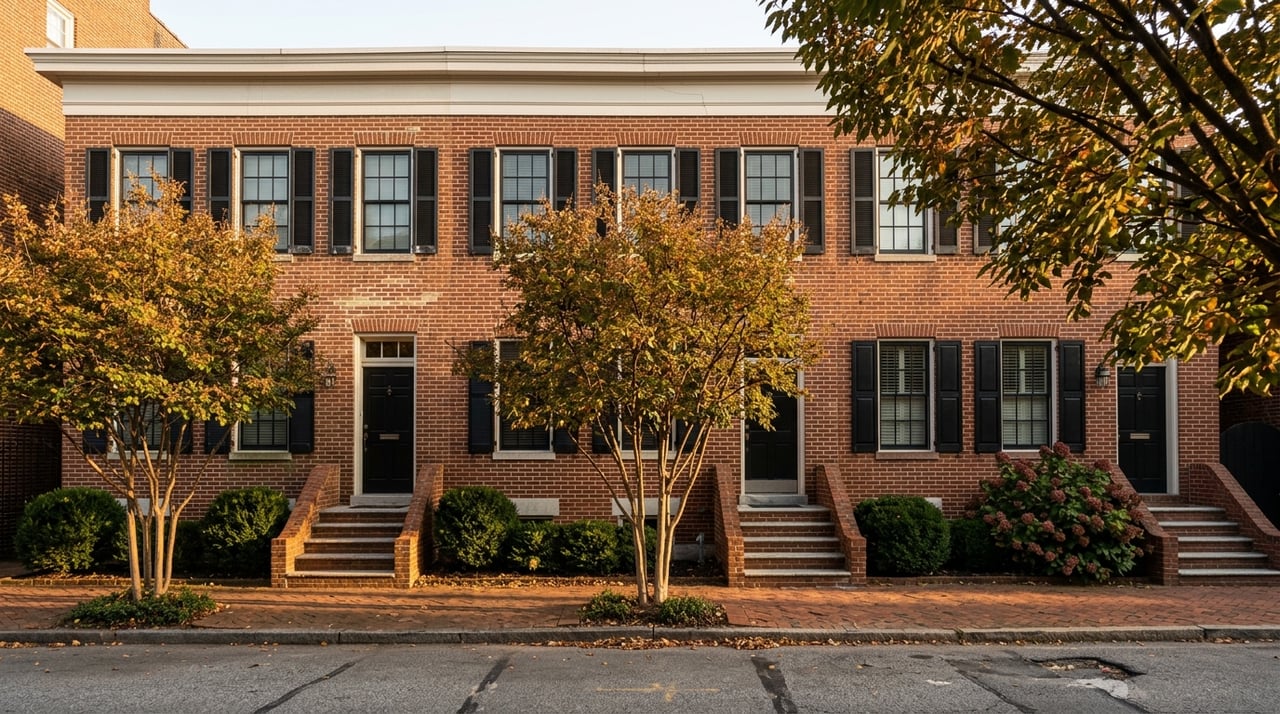
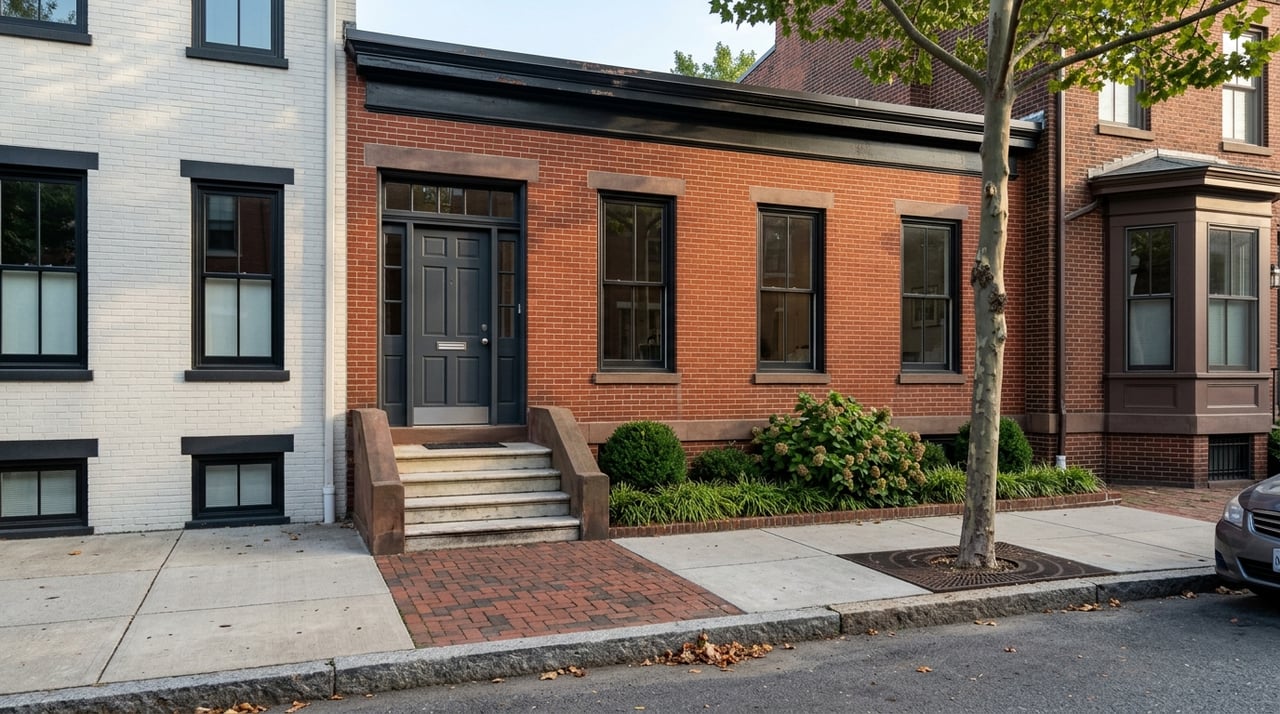
Baltimore’s own history and planning materials describe the rowhouse as one of the city’s defining housing types. In simple terms, rowhomes are not just a style choice here. They are a major part of how neighborhoods formed, how streets feel, and how people experience daily life.
That matters because the layout of rowhome blocks tends to create a more street-level lifestyle. Front stoops, closely set homes, alley blocks, and corner businesses can make the sidewalk feel like an extension of home. In many parts of the city, you are not just living on a block. You are participating in it.
At the same time, Baltimore rowhome neighborhoods are not all alike. A waterfront area, an arts-focused district, and a more historic neighborhood may all share the rowhouse form, but the pace and feel of daily life can be very different from one to the next.
What daily routines often look like
For many residents, daily life centers on a few key places close to home. That might be a neighborhood market, a commercial corridor, a coffee shop, a local park, or a main street where errands and social plans overlap.
This is part of what makes Baltimore’s rowhome neighborhoods feel distinct. Instead of depending on one large shopping area, many neighborhoods revolve around smaller, more local hubs. That creates a rhythm that can feel personal and highly specific to the block and surrounding streets.
If you are comparing city living options, it helps to think less about “Baltimore” as a single experience and more about the routine you want. Do you picture waterfront walks, quick access to restaurants, nearby arts venues, or a quieter residential block near a park? In rowhome neighborhoods, those choices can shape your day-to-day experience in a big way.
Walkability and errands by neighborhood
One of the biggest draws of Baltimore rowhome living is that many neighborhoods support a walkable routine. The city’s planning materials highlight a pedestrian-friendly urban fabric, and in practice, that often means restaurants, shops, cultural spaces, and parks are woven into the neighborhood itself.
Here are a few examples of how that plays out in different areas:
Fell’s Point
Fell’s Point offers a walkable waterfront setting with Belgian block streets, Broadway Market, local shops, and a strong restaurant and pub scene. For some buyers, that means your weekly routine can include grabbing coffee, picking up a few essentials, meeting friends, and enjoying the harbor without getting in the car.
Federal Hill
Federal Hill is known for historic brick rowhomes, locally owned shops and restaurants, and Cross Street Market. The neighborhood core also hosts frequent street fairs, which adds to the feeling that daily life here is active and centered around shared public spaces.
Hampden
Hampden has a strong identity around 36th Street, where independent shops, cafes, vintage stores, and neighborhood events help define the area. If you like the idea of a main drag with a creative, local-business feel, this is one of the city’s clearest examples.
Highlandtown
Highlandtown’s Eastern Avenue corridor brings together retail, makers, locally made goods, breweries, and arts programming. That mix gives the neighborhood a practical side for errands and a creative side for downtime.
Canton and Brewers Hill
Canton and Brewers Hill combine classic brick and Formstone rowhouses with restaurants, pubs, shops, and nearby waterfront activity. The result is a village-square feel in parts of the area, paired with access to harbor-side recreation.
Mount Vernon
Mount Vernon offers a different kind of daily rhythm. It blends residential streets with museums, libraries, performance venues, shops, and eateries, giving the neighborhood a more cultural and institutional feel.
Getting around without relying on one option
Many rowhome neighborhoods work well for people who want a car-light lifestyle, but that does not mean every block functions the same way. Parking and traffic exposure can vary significantly even within the same neighborhood, especially near commercial corridors or busier destinations.
Baltimore’s transit network adds flexibility. The Maryland Transit Administration operates CityLink and LocalLink buses, Light Rail, Metro Subway, MARC Train service, and MobilityLink. CharmPass also lets riders pay for core transit modes by smartphone.
In practical terms, that gives you more than one way to move through the city. Some people walk for most daily needs and use transit for commuting. Others drive regularly but still value being able to step out for dinner, groceries, or a park visit on foot.
Parks and outdoor time near rowhomes
A big part of rowhome life in Baltimore is how outdoor space shows up in everyday routines. Baltimore reports thousands of acres of parkland and public space, along with hundreds of parks, recreation centers, and miles of biking and hiking trails.
For many residents, outdoor life falls into one of three categories:
- A neighborhood park close to home
- A larger city park for longer outings
- A waterfront promenade or trail for walks and biking
That variety matters because rowhome living usually means private outdoor space is more compact than in a detached suburban home. Nearby public space can play a big role in how a neighborhood feels from Monday through Sunday.
Federal Hill and South Baltimore greenspaces
Federal Hill Park is one of the best-known examples, with quick access to views and casual outdoor time. Nearby green spaces like Riverside and Swann add more options for residents who want room to stretch out, meet friends, or take a daily walk.
Druid Hill Park
Druid Hill Park is described as a 745-acre urban oasis with trails, a reservoir loop, the Maryland Zoo, the Rawlings Conservatory, and other recreation amenities. If your ideal city routine includes access to a large, destination-style park, this area helps illustrate what Baltimore can offer.
Canton Waterfront Park
Canton Waterfront Park brings together trails, a fishing pier, and a waterfront promenade. For buyers drawn to harbor views and outdoor access, this kind of setting can become part of your regular weekly rhythm.
Patterson Park
Patterson Park borders Highlandtown and includes pathways, the observatory, courts, a swimming pool, an ice rink, playgrounds, and a dog park. It is a good example of how a major park can function almost like a neighborhood anchor.
Jones Falls Trail
The Jones Falls Trail supports walking and biking and adds another layer to daily life in areas like Hampden. For residents who want movement built into their week, trail access can be a meaningful lifestyle feature.
Food, culture, and local events
Another defining part of rowhome life is that many neighborhoods are not purely residential. They often include a mix of dining, arts, events, and neighborhood traditions that shape the weekly calendar.
This is especially true in places like Mount Vernon, which is described as Baltimore’s cultural center. Art, architecture, museums, theaters, libraries, boutiques, and restaurants all contribute to a neighborhood experience that feels active without relying on a single destination.
Other neighborhoods bring culture into daily life in different ways:
- Fell’s Point hosts events like an oyster festival, a multi-block fun festival, and a holiday festival.
- Federal Hill features street fairs around Cross Street Market and recurring events like Flicks from the Hill and the Kinetic Sculpture Race.
- Hampden is known for neighborhood traditions, shops, restaurants, art, and nearby outdoor spaces.
- Highlandtown includes First Friday Art Walks and other festival programming tied to its creative identity.
- Charles Village layers residential living with events like the Charles Village Festival and Garden Walk.
- Remington shows how a rowhome area can evolve into an arts-and-restaurant corridor with festivals and maker-oriented businesses.
Taken together, these examples show why Baltimore rowhome neighborhoods often feel locally social rather than regionally commercial. In many cases, your neighborhood is not just where you sleep. It is where you spend your time.
What buyers should keep in mind
If you are in the early stages of your search, the biggest takeaway is simple: block-by-block variation matters. A rowhome near a market, nightlife corridor, or event area can feel very different from a quieter block a few streets away.
That is why a neighborhood tour should go beyond the house itself. Pay attention to the commercial corridor, the nearby park, the amount of foot traffic, and how easy it feels to run a normal errand. If possible, visit at different times of day to get a more complete picture.
It also helps to think clearly about fit. Baltimore rowhome living often appeals to people who want compact urban routines, older architecture, neighborhood-scale retail, and access to parks and culture. If that sounds like your pace, the city offers a wide range of rowhome micro-lifestyles to explore.
The key is not to overgeneralize. Waterfront-social neighborhoods, arts-and-maker districts, and cultural-institution areas may all feature rowhomes, but they can support very different versions of city living.
If you are trying to sort through those differences, working with a team that understands Baltimore block by block can make the process much easier. Linda Fredeking and The Fredeking Team help buyers and sellers navigate Baltimore City with clear guidance, local perspective, and the kind of practical insight that turns a broad search into the right neighborhood fit.
FAQs
What is everyday life like in Baltimore rowhome neighborhoods?
- Everyday life in Baltimore rowhome neighborhoods often centers on walkable blocks, nearby commercial corridors, local parks, and a strong sense of neighborhood identity, but the experience varies widely by area.
Which Baltimore rowhome neighborhoods are the most walkable?
- Neighborhoods like Fell’s Point, Federal Hill, Hampden, Highlandtown, Canton, Brewers Hill, and Mount Vernon are all noted for having shops, restaurants, markets, or cultural destinations integrated into daily life.
Are Baltimore rowhome neighborhoods good for a car-light lifestyle?
- Some are, especially where walkability and transit options are strong, but parking and traffic exposure can vary a lot from block to block.
What outdoor spaces are near Baltimore rowhome neighborhoods?
- Depending on the area, you may have access to places like Federal Hill Park, Druid Hill Park, Canton Waterfront Park, Patterson Park, or the Jones Falls Trail.
How much do Baltimore rowhome neighborhoods differ from each other?
- Quite a bit. Waterfront areas, arts-focused districts, and more cultural or historic neighborhoods may all have rowhomes, but their daily pace, retail mix, and social rhythm can feel very different.
What should buyers pay attention to when touring Baltimore rowhome areas?
- Focus on the block as well as the home, including nearby parks, retail corridors, foot traffic, and how the area feels at different times of day.